
Special Session Ⅴ
| AI-Driven Collaborative Operation Technologies for Multimodal Transport Hubs 人工智能驱动的综合交通枢纽协同运营关键技术 |
|
| Submission Deadline: September 25, 2026 | |
| Chair: | Co-chair: |
 |
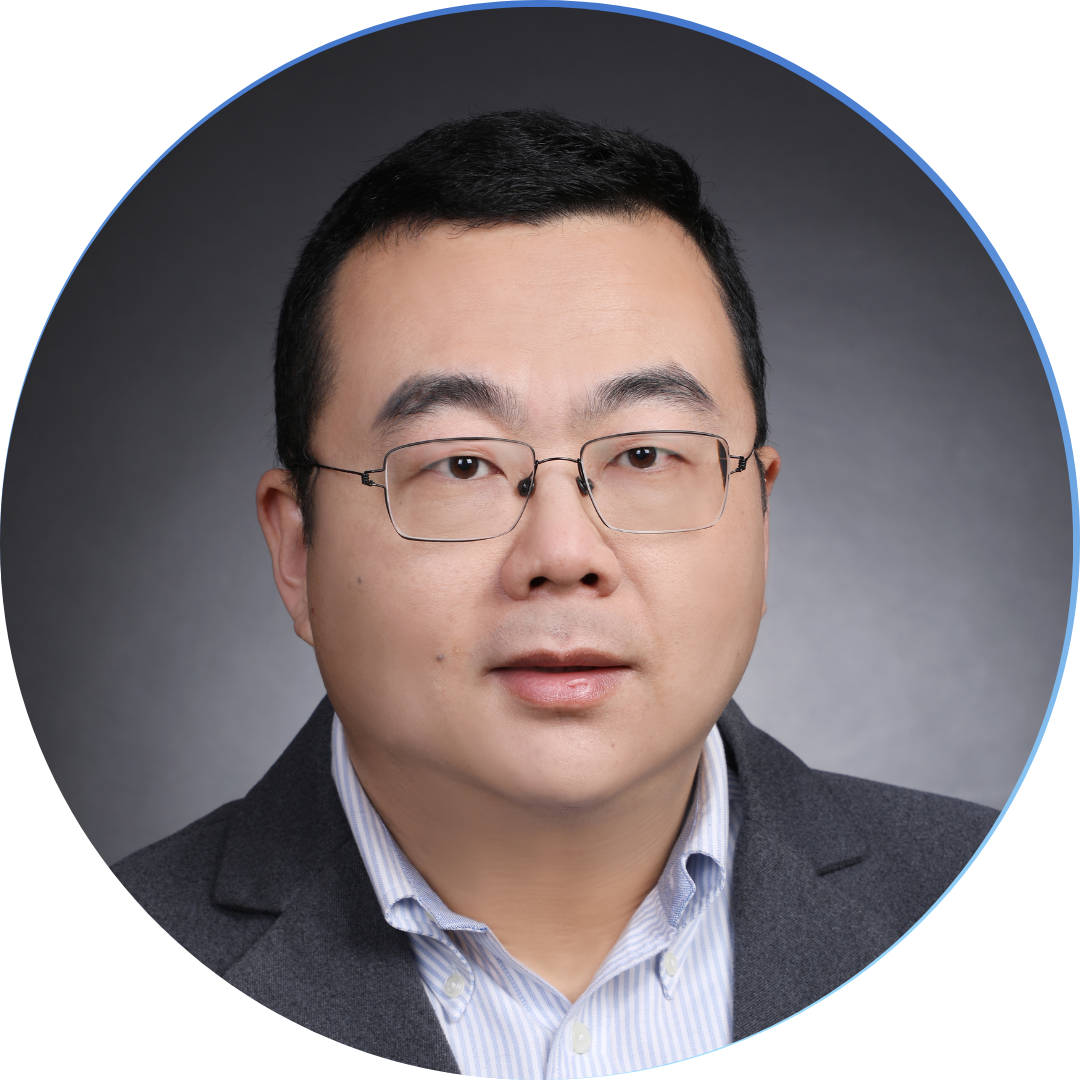 |
| Bisheng He Southwest Jiaotong University, China |
Jianxin Lin Beijing University of Civil Engineering and Architecture, China |
| Keywords: | |
| · Multimodal Transport Hubs (综合交通枢纽) · Artificial Intelligence (人工智能) · Collaborative Operations (协同运营) · Multi-Agent Systems (多智能体系统) · Digital Twins (数字孪生) · Transportation Optimization (交通运输优化) · Real-Time Decision-Making (实时决策) · Passenger Flow Analytics (客流智能分析) · Human–AI Collaboration (人机协同决策) |
|
| Topics: | |
| · AI-Driven Collaborative Operations and Intelligent Management for Multimodal Transport Hubs (人工智能驱动的综合交通枢纽协同运营与智能管理) · Digital Twins and Intelligent Simulation for Multimodal Transport Hubs (综合交通枢纽数字孪生与智能仿真) · Multi-Agent Modeling, Simulation, and Intelligent Control for Multimodal Transport Hubs (综合交通枢纽多智能体建模、仿真与智能控制) · Real-Time Scheduling, Dynamic Rescheduling, and Operational Optimization for MultimodalTransport Hubs (综合交通枢纽实时调度、动态重调度与运营优化) · Passenger Flow Analytics, Demand Prediction, and Crowd Management in Multimodal Transport Hubs (综合交通枢纽客流分析、需求预测与群体管理) · Integrated Transport Organization and Multimodal Coordination Optimization for Transport Hubs (综合交通枢纽综合运输组织与多方式协同优化) · Data-Driven Decision Intelligence and Operations Management for Multimodal Transport Hubs (综合交通枢纽数据驱动的智能决策与运营管理) · Disruption Management, Emergency Response, and Resilient Operations for Multimodal Transport Hubs (综合交通枢纽扰动响应、应急管理与韧性运营) · Human–AI Collaboration and Intelligent Decision Support for Multimodal Transport Hubs (综合交通枢纽人机协同与智能决策支持) · Key Technologies and Engineering Practices for Intelligent Operations of Multimodal Transport Hubs (综合交通枢纽智能运营关键技术与工程实践) |
|
| Summary: | |
| Artificial intelligence is reshaping the operation of multimodal transport hubs by enabling real-time perception, prediction, optimization, and coordinated decision-making across different transport modes and operational entities. As railway stations, metro systems, airports, bus terminals, and urban mobility services become increasingly interconnected, conventional operation approaches are no longer sufficient to address dynamic passenger demand, operational disruptions, resource conflicts, and cross-system coordination. This session targets researchers, transport operators, infrastructure managers, AI developers, technology providers, and policy makers. It will present recent advances in digital twins, machine learning, multi-agent simulation, intelligent scheduling, passenger-flow management, resilient operations, and human–AI collaboration. Participants are expected to gain insights into emerging theories, practical technologies, engineering applications, and future research directions for developing safer, more efficient, resilient, and sustainable multimodal transport hubs. | |
| 人工智能正在推动综合交通枢纽运营由经验驱动向数据驱动、模型驱动和智能决策转型。随着铁路、地铁、航空、公交及城市交通服务的深度融合,枢纽运行呈现多主体、多系统、强耦合和动态变化特征,传统运营方式已难以有效应对客流波动、运行扰动、资源冲突及跨方式协同等问题。本专题面向交通领域科研人员、运营管理部门、基础设施管理单位、人工智能研发机构、技术服务企业及政策制定者,重点交流数字孪生、机器学习、多智能体仿真、智能调度、客流管控、韧性运营及人机协同等前沿进展。参会者将了解相关理论方法、关键技术、工程应用和未来发展方向,为建设安全、高效、韧性和可持续的综合交通枢纽提供参考。 | |
|
|
|